
Discover how Direct to Consumer eCommerce India is transforming brand growth, customer experience, and digital retail with fast, transparent, and data-led strategies.
Introduction: The Rise of Direct-to-Consumer eCommerce in India
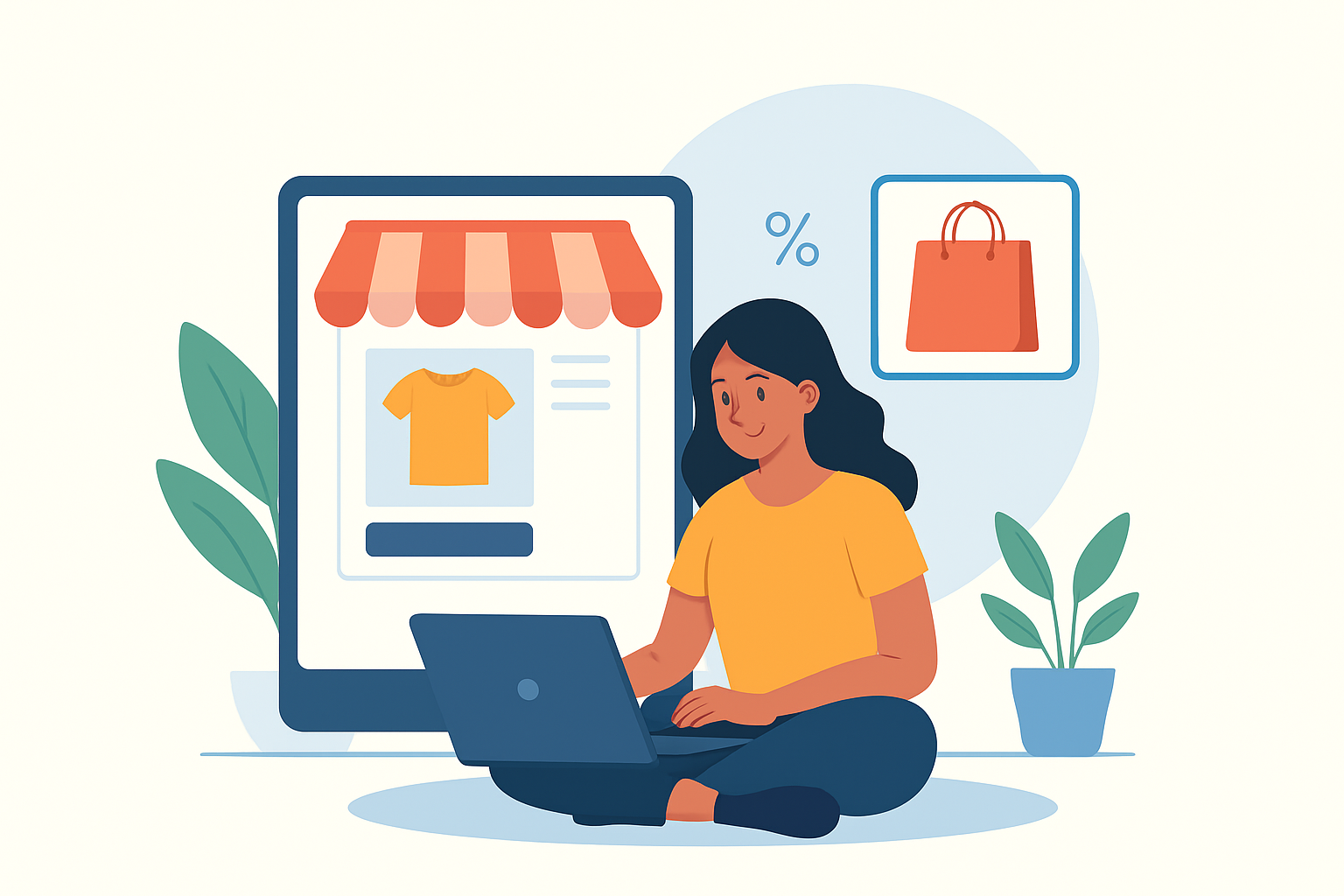
Over the past few years, the retail landscape has transformed dramatically, driven by technology, smartphone penetration, and evolving customer expectations. Among the biggest shifts is the explosion of Direct to Consumer eCommerce India, where brands sell directly to buyers without relying on traditional distributors or marketplaces. This model gives companies more control over pricing, marketing, logistics, and customer experience, making it one of the fastest-growing segments in the Indian digital economy.
From homegrown favorites like Mamaearth, Boat, Wakefit, and Lenskart to new-age challenger brands, D2C businesses are redefining what modern retail looks like. As India heads toward becoming a $350 billion eCommerce market, the direct-to-consumer movement is gaining momentum like never before.
Why Direct-to-Consumer eCommerce Is Thriving in India
Several major factors have contributed to the growth of D2C brands in India:
1. Boom in Digital Adoption
With over 800 million internet users, India is one of the biggest online consumer bases globally. Affordable smartphones and cheap data have made digital shopping extremely accessible.
2. Rise of Trust in Online Purchases
Consumers now prefer purchasing from brand-owned websites because they get:
- genuine products
- better customer support
- exclusive offers
- early product access
This shift in trust fuels the direct-selling approach.
3. Desire for Unique and Specialized Products
Modern Indian shoppers prefer niche products such as:
- organic skincare
- sustainable clothing
- premium home décor
- nutritional supplements
D2C brands excel at fulfilling these niche demands with focused product innovation.
4. Better Control Over Brand Identity
Selling through marketplaces restricts brand identity.
But with D2C websites, brands control:
- storytelling
- customer journey
- product display
- pricing strategy
- loyalty programs
This helps build long-term customer relationships.
Key Benefits of Direct to Consumer eCommerce in India
India’s D2C revolution is driven not just by trends but by strong benefits for both customers and brands:
✔ Enhanced Customer Experience
D2C brands communicate directly with shoppers, ensuring seamless communication, faster response times, and personalized support.
✔ Higher Profit Margins
By eliminating middlemen and retailers, brands retain more profit and use it for product development, marketing, and better packaging.
✔ Data-Driven Insights
Data is the backbone of all successful D2C strategies. Brands can track purchasing patterns, customer preferences, browsing history, and demographic data to improve product recommendations and retention.
✔ Stronger Brand Loyalty
Direct interaction helps brands offer:
- reward points
- subscription plans
- personalized recommendations
- VIP access
This leads to stronger loyalty and higher lifetime value.
✔ Faster Product Innovation
D2C feedback loops are fast. Customer reviews and complaints come directly, helping brands launch or modify products quickly.
Challenges Faced by D2C Brands in India
While the growth is impressive, Direct to Consumer eCommerce India still has challenges:
1. High Customer Acquisition Cost (CAC)
Paid ads, influencer marketing, and promotions require heavy investment. Competing with big platforms like Amazon and Flipkart makes CAC even higher.
2. Logistics and Delivery Issues
Timely delivery across Indian cities, towns, and villages continues to be a challenge. RTO (return to origin) is another cost-heavy headache for D2C brands.
3. Fierce Competition
With over 1,000+ new D2C brands launching every year, staying competitive requires:
- strong branding
- consistent innovation
- high marketing budgets
4. Need for Strong Operational Systems
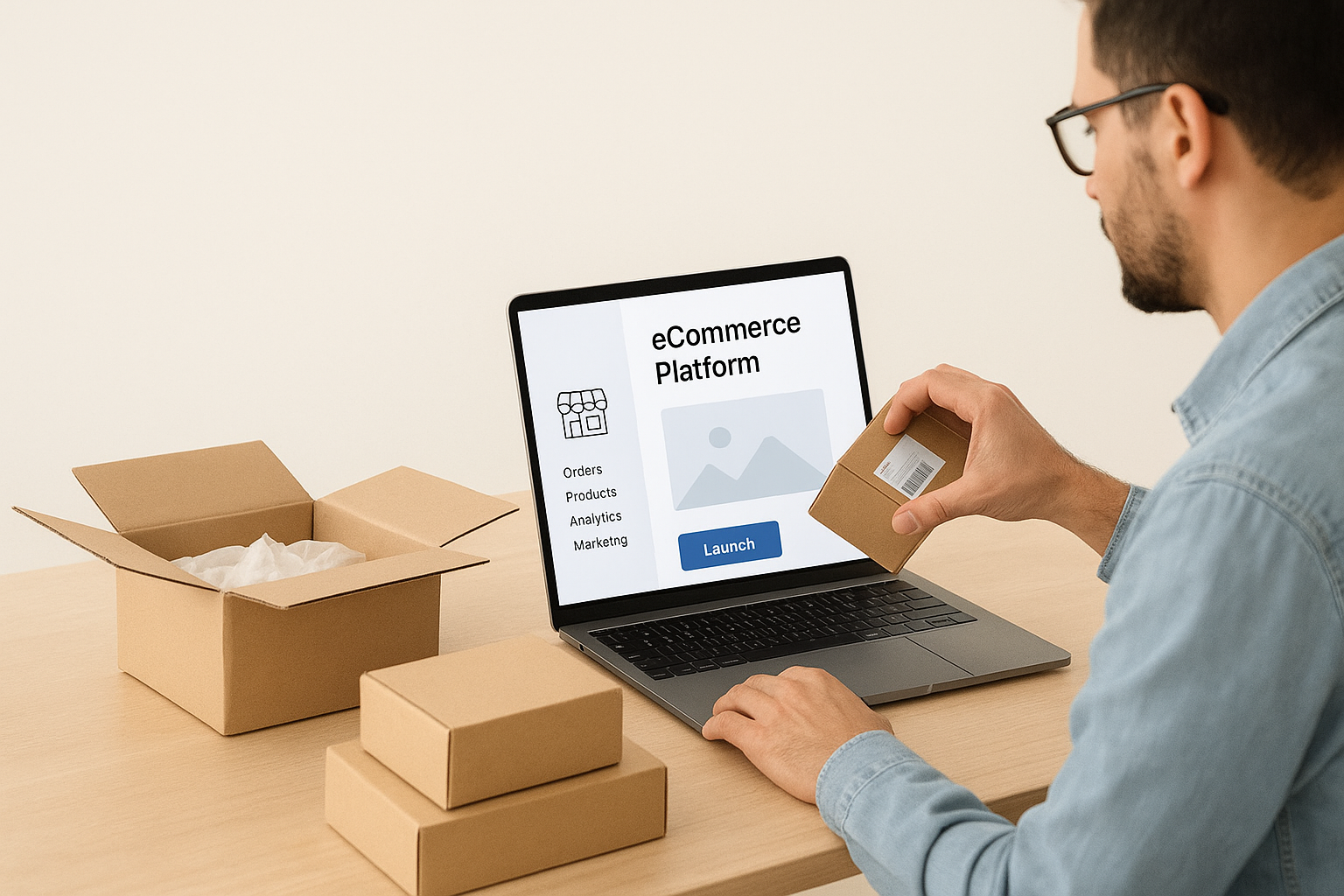
Managing inventory, payments, customer support, and packaging requires strong back-end systems.
Emerging Trends in Direct to Consumer eCommerce India (2025 & Beyond)
1. AI and Personalization
Brands now use AI tools for:
- personalized product recommendations
- AI chatbots
- predictive inventory management
- customer segmentation
2. Live Commerce and Social Commerce
Instagram, YouTube, and Facebook Live selling are becoming powerful tools to engage buyers in real time.
3. Subscription-Based Models
D2C brands now offer subscription boxes for:
- groceries
- skincare
- pet food
- wellness products
This ensures recurring revenue.
4. Omnichannel Expansion
Physical experience stores are becoming popular as D2C brands expand beyond the online world.
5. Sustainable and Ethical Branding
Indian consumers increasingly prefer environmentally responsible brands.
How Brands Can Succeed in the Indian D2C Landscape
1. Build a High-Performing Website
Fast, responsive, mobile-first websites convert more customers.
2. Use SEO for Long-Term Traffic
Ranking for keywords like:
- “best D2C brands in India”
- “Indian direct selling products”
- “buy directly from brand”
can reduce reliance on paid ads.
3. Leverage Influencer Collaborations
Micro-influencers drive massive conversions, especially in beauty, fashion, and fitness.
4. Focus on Retention Over Acquisition
Repeat customers spend 3x more than first-time buyers.
5. Offer Hassle-Free Return and Delivery
Trust increases when brands offer transparent shipping and returns.
Conclusion: The Future of Direct-to-Consumer eCommerce in India
The future of Direct to Consumer eCommerce India is bright. With a growing online population, rising trust in brand-owned websites, and the desire for personalized shopping, D2C is set to become a dominant digital retail model. Whether you're a new brand or an established business planning to go digital, the D2C approach offers unmatched opportunities for growth, profitability, and customer loyalty.
In the coming years, brands that deliver transparency, quality, innovation, and seamless customer experiences will lead India’s booming D2C revolution.

Comments
No comments yet. Be the first to comment!