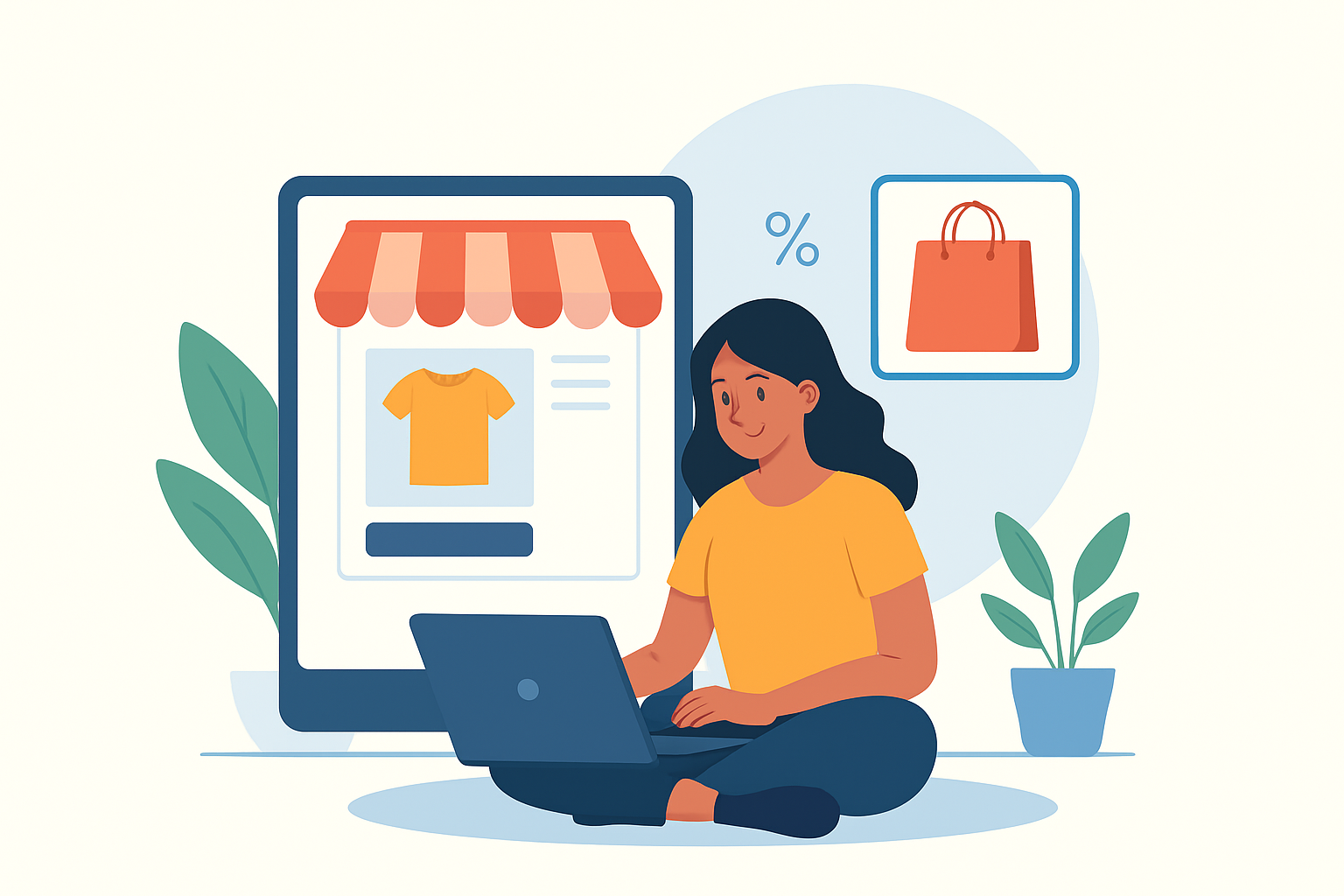
Explore how D2C websites in India are revolutionizing online shopping with stronger brand control, better margins, and direct customer engagement.
Introduction: The Rise of D2C Websites in India
India’s digital commerce landscape has undergone a massive shift in the last decade. While marketplace giants like Amazon and Flipkart dominated the initial eCommerce boom, the new wave of growth is being driven by D2C websites in India, where brands sell directly to customers without intermediaries. This model gives businesses full control over branding, pricing, and customer interaction—something that marketplaces can never fully offer.
From emerging startups to established brands, many companies are now prioritizing their D2C websites as their primary revenue channels. This shift is driven by customer demand for authenticity, speed, and personalization, along with brands’ desire for deeper data insights and higher profitability.
Understanding the D2C Model in India
The Direct-to-Consumer (D2C) model eliminates middlemen and allows brands to operate their own online stores, run targeted marketing, and deliver tailored shopping experiences. The concept is simple: control everything, from the first click to the final delivery.
Big-name D2C brands in India include:
- Boat
- Mamaearth
- Wakefit
- Sugar Cosmetics
- Licious
- Beyoung
- Wow Skin Science
All of these brands built strong identities through their own websites before scaling across channels.
Why D2C Websites in India Are Growing Faster Than Ever
1. Control Over Brand Story and Identity
Marketplaces restrict how products are described, displayed, and priced.
But a D2C website allows a brand to fully express its:
- story
- values
- mission
- aesthetics
With branding freedom, brands can build stronger, more emotional customer connections.
2. Higher Profit Margins
Removing retail margins and marketplace commissions significantly boosts profitability.
Brands can reinvest these savings into:
- product innovation
- digital ads
- customer loyalty programs
This is one of the biggest reasons why D2C websites in India are booming.
3. Access to First-Party Customer Data
Data is the new fuel for eCommerce.
D2C brands gain insight into:
- customer behavior
- purchase history
- preference patterns
- cart abandonment data
This helps them optimize product offerings, marketing strategies, and retargeting campaigns.
4. Personalized Customer Experiences
A marketplace treats every buyer the same.
But D2C websites offer:
- dynamic recommendations
- personalized offers
- targeted email flows
- differentiated shopping journeys
These lead to higher conversion rates—and happier customers.
5. Faster Testing and Product Launches
Brands can launch products directly on their own websites without waiting for marketplace approvals.
This agility helps:
- test new SKUs
- gather early feedback
- scale winning products
- stop non-performing categories
The speed of innovation is a major competitive edge in the D2C ecosystem.
Key Features That Make D2C Websites in India Successful
To stay competitive, modern D2C websites include empowering features such as:
✔ High-Speed Page Performance
Fast websites improve conversions and reduce drop-offs.
✔ Mobile-First Design
With over 70% of Indian shoppers using mobile devices, mobile responsiveness is critical.
✔ Subscription and Membership Options
Repeat buying models are gaining popularity in categories like food, skincare, and wellness.
✔ Secure Payment Integrations
Multiple PSPs, BNPL options, and wallets give customers flexible payment choices.
✔ Real-Time Customer Support
Chatbots and WhatsApp support help brands build trust.
Challenges Faced by D2C Websites in India
While the growth is promising, building and scaling D2C websites comes with challenges:
1. High Acquisition Costs (CAC)
Paid advertisements on Google, Meta, and Instagram can be expensive.
This requires careful budgeting and SEO strategies to balance long-term growth.
2. Return and Refund Complexity
Managing return orders, especially in apparel and electronics, becomes a logistical burden.
3. Competition from Established Marketplaces
Marketplaces offer convenience, fast delivery, and trust-building mechanisms that D2C brands must match.
4. Need for Strong Technology Infrastructure
Efficient backend systems are essential for inventory, logistics, and customer service.
Top Trends Shaping the Future of D2C Websites in India
Trend 1: Social Commerce Integration
Instagram Shops, YouTube Shopping, and influencer-driven sales are major drivers for D2C growth.
Trend 2: AI-Powered Shopping Experiences
AI is being used for:
- personalized recommendations
- virtual try-ons
- customer support automation
- demand forecasting
Trend 3: Sustainable Brand Positioning
Eco-friendly packaging, clean ingredients, and ethical supply chains attract conscious consumers.
Trend 4: Regional Language Websites
To reach tier 2 and tier 3 cities, many brands are offering websites in:
- Hindi
- Tamil
- Telugu
- Bengali
- Marathi
This widens the target market significantly.
Trend 5: Hyperlocal Delivery Models
Quick commerce has influenced customer expectations.
Some D2C brands now deliver in 2–6 hours in metro cities.
How D2C Websites in India Can Scale Successfully
Here are strategies that modern brands use to grow quickly:
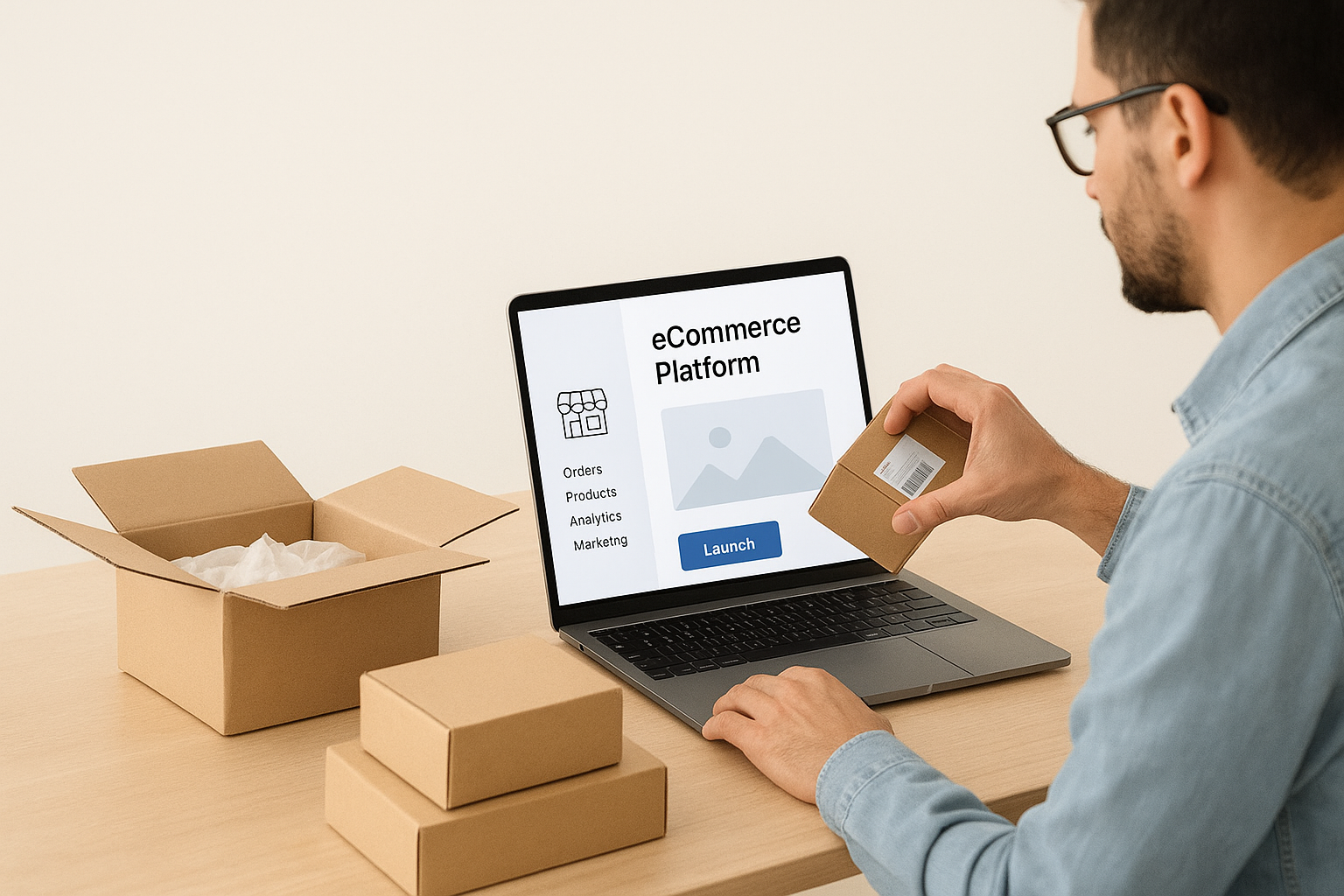
1. Build with a Scalable Store Platform
Choose platforms that offer:
- page builders
- analytics
- payment integrations
- marketing tools
2. Focus on Organic Traffic with SEO
Ranking for keywords like:
- “best D2C brands in India”
- “buy directly from brand India”
reduces long-term ad costs.
3. Create a Strong Content Ecosystem
Blogs, reels, product videos, and UGC content boost trust and conversions.
4. Improve Repeat Purchase Rates
Retention marketing includes:
- email workflows
- loyalty points
- exclusive member products
- subscription discounts
5. Build a Community
Brands with communities grow faster.
Examples:
- fitness groups
- skincare advisory groups
- parenting communities
Conclusion: The Future Belongs to D2C Websites in India
D2C websites in India are no longer just an additional channel—they are becoming the core of brand growth. As consumer expectations shift toward authenticity, transparency, and personalization, the direct-to-consumer model empowers brands to deliver exactly what customers want.
With rapid growth, advanced digital tools, and rising consumer trust, the future of D2C in India is incredibly promising. Brands that embrace innovation, personalization, and community building will shape the next era of digital retail.



Comments
No comments yet. Be the first to comment!